
Non-union, Delayed Union and Malunion Surgery in Ahmedabad
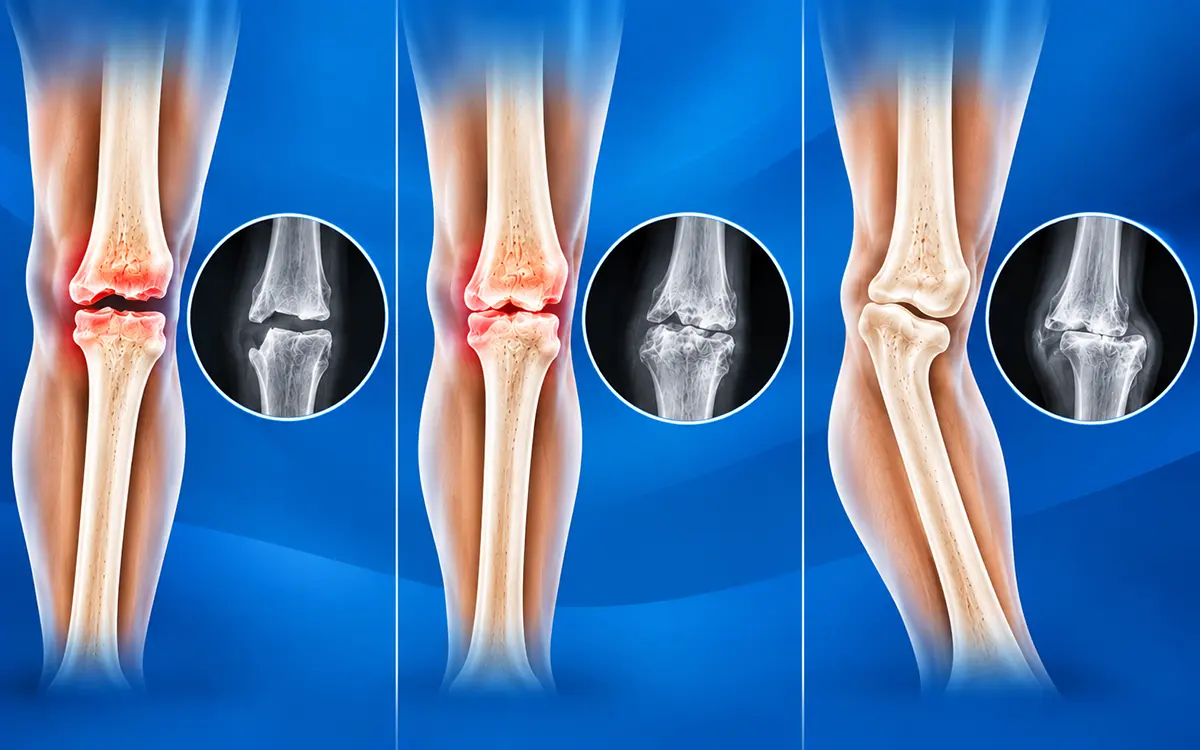
What Are Non-union, Delayed Union and Malunion?
These are three ways a fracture can fail to heal normally. Non-union means the bone has stopped trying to heal and the fracture gap remains. Delayed union means healing is taking longer than expected but has not completely stopped. Malunion means the bone has healed, but in a bent, rotated or shortened position. Each of these can cause ongoing pain, weakness or a visible deformity, and often needs a second surgery to correct.
Why Fractures Fail to Heal Properly
- Infection at the fracture site
- Poor blood supply to the bone, especially in certain bones like the shin bone
- Too much movement at the fracture during early healing, often from inadequate fixation or not following weight-bearing advice
- Smoking, which slows bone healing significantly
- Poorly controlled diabetes
- A large gap between the broken bone ends
- Severe injury with significant soft tissue damage
- Poor nutrition, especially low protein, calcium or vitamin D
Signs of a Healing Problem
- Pain at the fracture site that continues well beyond the usual healing time
- Ongoing swelling or tenderness
- A feeling of movement or instability at the old fracture site
- Difficulty bearing weight on a healed leg, months after injury
- A visible bend, rotation or shortening compared with the other limb
- A fracture that still shows a clear gap on X-ray after the expected healing period
How This Is Diagnosed
- X-rays to look at the fracture line and bone healing
- CT scan, for a more detailed look at healing and bone gaps
- Blood tests, to check for infection or conditions affecting bone healing
- A review of your original injury, surgery and recovery, so bring any old X-rays, discharge papers and implant details
Treatment Options
For delayed union
Sometimes continued protection, adjusted weight bearing, and treatments such as a bone stimulator can still allow the bone to heal without further surgery.
For non-union
Surgery is usually needed. This can involve removing scar tissue from the fracture site, adding bone graft to encourage healing, and placing stronger or different fixation such as a plate, rod or external fixator.
For infected non-union
Treatment is done in stages. Infection is cleared first with antibiotics and surgical cleaning, then the bone is stabilised and allowed to heal, sometimes with bone graft added later.
For malunion
Surgery, called a corrective osteotomy, cuts the bone at the healed site and repositions it correctly, then fixes it with plates, screws or a rod so it can heal straight.
Recovery
Recovery from non-union or malunion surgery is often slower than from a first fracture surgery, because the bone and surrounding tissue have already been through one healing attempt. Hospital stay and weight-bearing restrictions depend on the surgery performed. Regular X-ray follow-up confirms the bone is healing in its corrected position. Full recovery can take several months.
Risks
- Infection
- The bone still not healing, requiring further treatment
- Nerve or blood vessel injury
- Stiffness in nearby joints
- Risks linked to anaesthesia
What You Can Do to Help Healing
- Stop smoking, since it is one of the biggest factors in failed bone healing
- Keep diabetes well controlled
- Eat enough protein, calcium and vitamin D
- Follow your weight-bearing instructions exactly, even when the limb feels fine
- Attend every follow-up X-ray appointment
Why Choose OrthoD Hospital
Dr. Ruchir Patel has handled a high volume of fractures and complex trauma cases, including more than 3,000 trauma surgeries performed at Vatrak Trust Hospital, giving him experience with fractures that do not heal in the usual way. He carefully reviews what went wrong the first time before planning a second surgery, and gives honest advice when a non-surgical approach may still work.
Cost
Cost depends on whether the problem is non-union, delayed union or malunion, the surgery needed, implants or bone graft used, and hospital stay. A written estimate is given after review of your scans and reports.
Frequently Asked Questions
How long should a fracture take to heal before I worry?
Most fractures heal in 6 to 12 weeks. If pain and swelling continue well past this, or an X-ray still shows a clear gap, it should be reviewed.
Can a non-union heal without surgery?
Delayed union sometimes still heals with continued care. True non-union, where healing has stopped, usually needs surgery.
Why does smoking affect fracture healing?
Smoking reduces blood flow to the bone, which slows down and can stop the healing process.
Can a badly healed fracture be corrected years later?
Yes, malunion can be corrected with a planned osteotomy surgery even years after the original injury, though the complexity depends on the case.
Will I need bone graft?
Bone graft is used in some non-union surgeries to encourage healing, especially where there is a bone gap. Your surgeon will tell you if it applies to your case.