
Acetabulum and Pelvic Fracture Surgery in Ahmedabad
A pelvic fracture can cause serious bleeding. If someone has severe pelvic, hip or groin pain after an accident or fall, call an ambulance or go to the nearest emergency room. Do not try to move or sit the person up.
What Are Acetabulum and Pelvic Fractures?
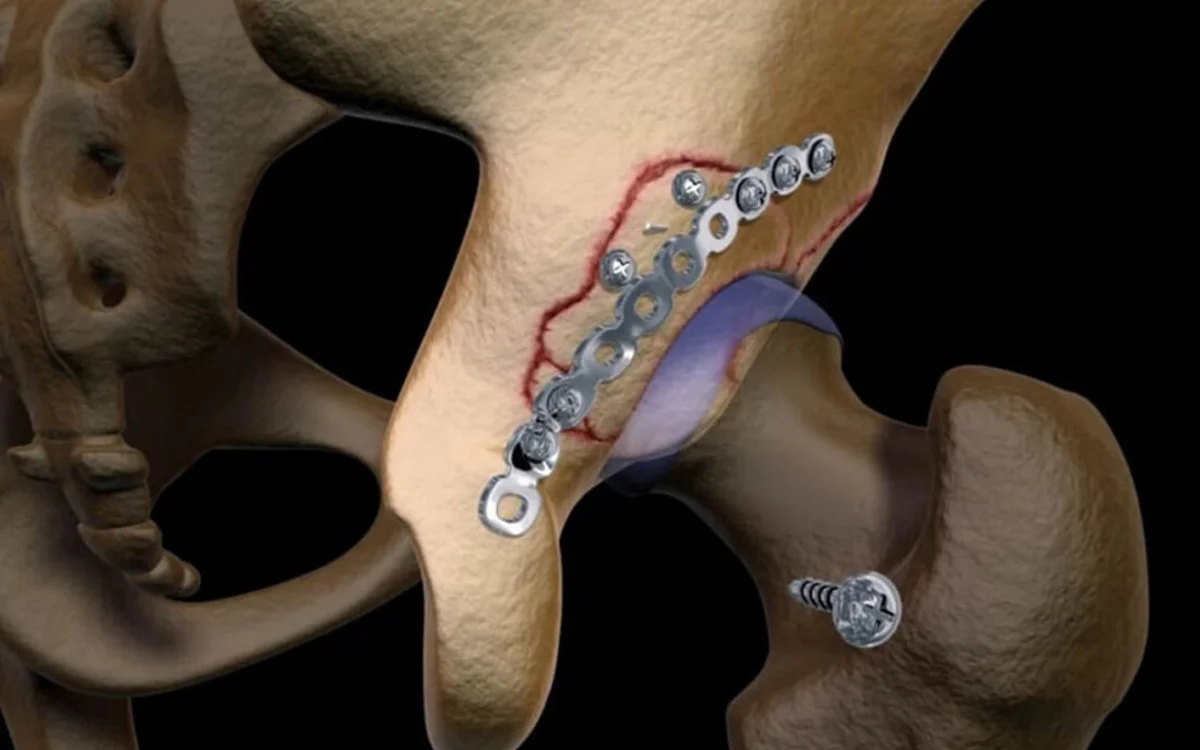
The pelvis is the ring of bones at the base of your spine. The acetabulum is the cup-shaped socket of the hip joint, and it is part of the pelvis. Fractures here are usually caused by serious accidents or falls from a height. In older people, a simple fall can also cause them. These injuries often need surgery to restore the joint and let the patient walk again.
Causes
- Road traffic accidents
- Falls from height
- Crush injuries
- Falls in older adults with weak bones
Symptoms
- Severe pain in the hip, groin or lower back
- Not being able to stand or walk
- Bruising or swelling around the hip and groin
- Numbness or weakness in the leg
- Blood in the urine, which can mean injury to the bladder or urethra
How Doctors Diagnose It
- Examination and checks of bleeding, nerves and other injuries
- Pelvis X-rays
- CT scan, often with 3D pictures, to see the fracture pattern clearly
Treatment Options
First care. Patients with serious pelvic injuries are first stabilised. This can include fluids, blood, pain control and a device to hold the pelvis steady. Injuries to other organs are treated first.
Non-surgical treatment. If the bones are still in position, the patient may not need surgery. Treatment includes rest, pain medicine, blood thinners and walking without putting weight on the leg for a period of time.
Surgery. Surgery is advised when the hip socket or pelvic ring is out of position. Surgeons fix the bones with plates and screws, sometimes through more than one cut. In some cases, screws are placed through small cuts. Surgery is usually done in the first one to two weeks, once the patient is stable.
Hip replacement. In some older patients with a badly broken hip socket, an immediate or later hip replacement may work better than fixing the bone.
Recovery
| Time | What to expect |
|---|---|
| First 6 to 12 weeks | Usually no weight on the injured leg. Walking with crutches or a walker |
| Week 6 to 12 | Gradual increase of weight as the bone heals |
| 3 to 6 months | Walking with less support, physiotherapy for strength |
| Up to 12 months | Final recovery |
Recovery is long and patience is important. Physiotherapy, blood thinners and good nutrition all help.
Risks and Complications
- Arthritis of the hip in later years, even after good surgery
- Infection
- Blood clots
- Nerve injury
- Bone healing in a poor position
- Stiffness or limp
- Later need for hip replacement
Why Choose Dr. Ruchir Patel
Dr. Patel has performed more than 3,000 trauma surgeries at Vatrak Trust Hospital and trained at Civil Hospital, Ahmedabad, one of the busiest trauma centres in Asia. This gives him wide experience in complex injuries.
Cost
Cost depends on the type of fracture, the surgery, implants, blood needs, ICU stay if needed and hospital stay. Insurance and PMJAY or MA card may cover trauma care where eligible.
Frequently Asked Questions
Is a pelvic fracture serious?
It can be. Severe pelvic fractures can cause dangerous bleeding, so emergency care is needed.
Do all pelvic fractures need surgery?
No. If the bones have not moved out of place, rest and protected walking may be enough.
How long before I can walk after acetabulum surgery?
Most patients can walk with crutches, without putting weight on the leg, soon after surgery. Full weight bearing usually starts after 6 to 12 weeks.
Will I get arthritis after this fracture?
Some patients do, because the hip joint surface was injured. Accurate surgery lowers the risk.
Can PMJAY or MA card be used?
Eligible patients can use them for trauma care at listed hospitals. Please call to check.